KINGFISHER CLEAN BLOG
Cleaning Dust at Height in Factories and Warehouses
Factories and warehouses across multiple sectors can generate large amounts of dust. Exposure to dust in these environments can be extremely dangerous and present significant health hazards. Explore how our team prioritise safety while cleaning dust at height, and achieve high quality results.
Contents: cleaning dust at height in factories and warehouses
1. Why dust at height is a problem for factories and warehouses
2. Why warehouses and factories generate so much dust
3. The dangers of dust in industrial environments
4. How cleaning dust at height can cause additional hazards
5. How to clean dust at height safely
6. Partnering with specialist industrial cleaning professionals

Why dust at height is a problem for factories and warehouses
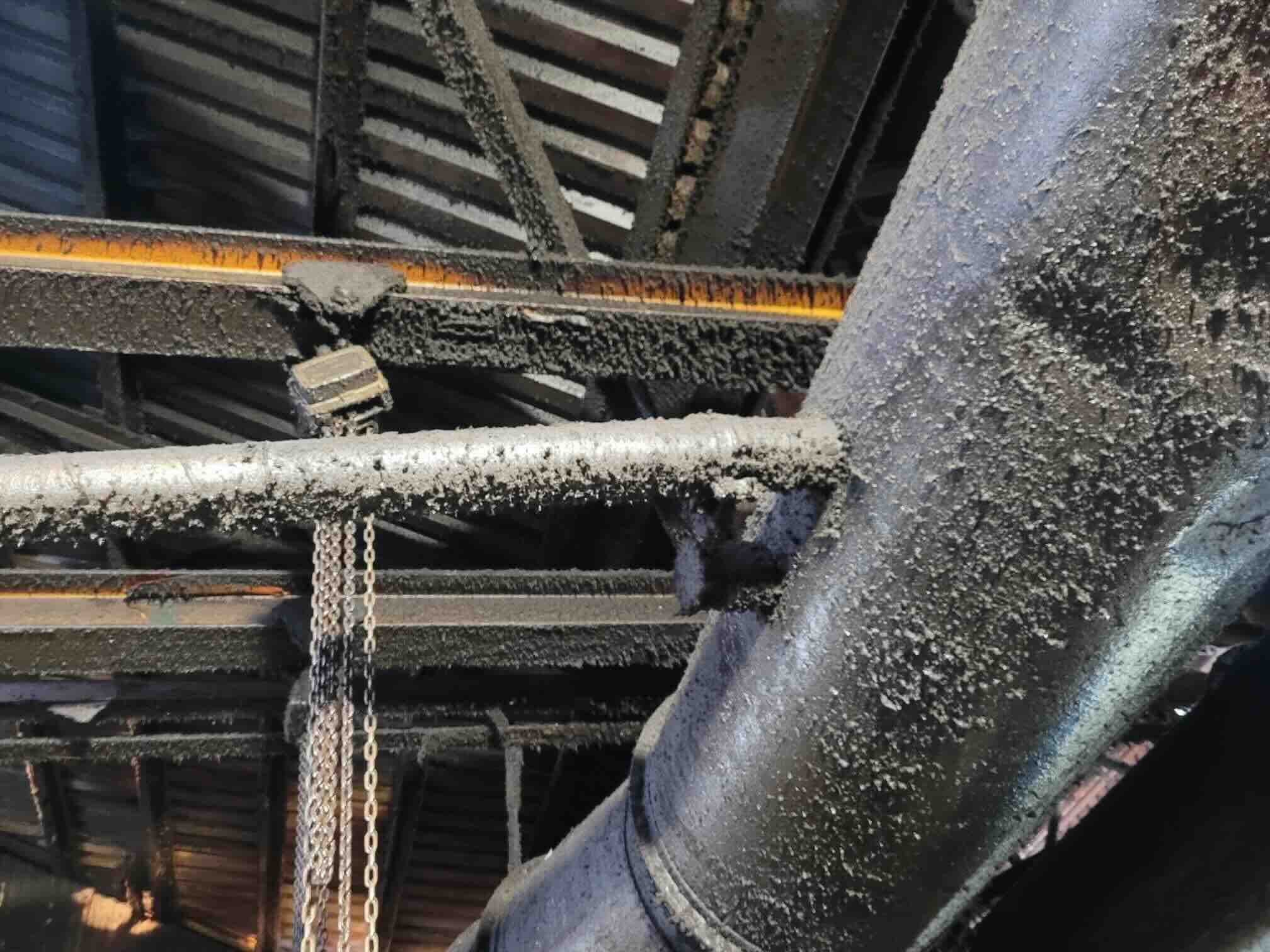
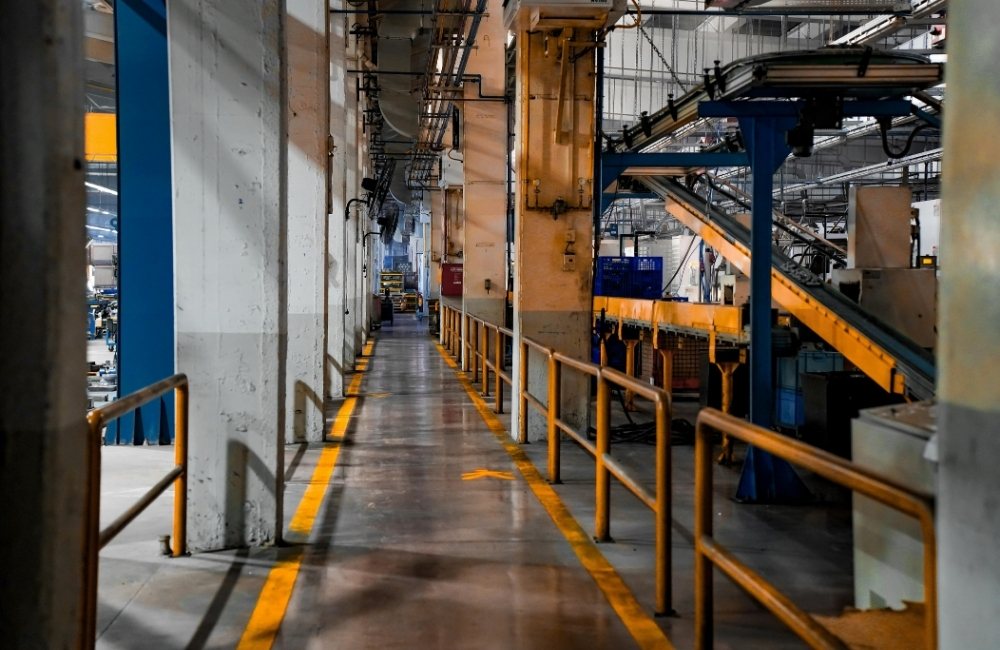
Across a varying range of industries, from bakeries to foundries, manufacturing facilities generate large amounts of dust. While dust at ground level is often cleaned regularly, whether it be floors or machinery, dust at high level can settle across all surfaces and receive much less frequent attention. “Out of sight, out of mind.” Common areas where dust can settle include lighting fixtures, pipework, cable trays, purlins, racking, machinery, or steelwork.
High level areas are understandably cleaned less frequently than ground level due to access requirements and production constraints. However, this increases the importance of scheduling annual high level cleans to remove any dust buildup that’s accumulated over the year.
In this blog, we explore the hazards of high level dust in factories and warehouses, and the importance of high quality safety provision during industrial cleaning projects to mitigate exposure risks.
Our team take Health & Safety extremely seriously.
Why warehouses and factories generate so much dust
Constant movement of materials and machinery can generate large amounts of dust of varying types and sizes. For instance, movement of pallets, cardboard and packaging can shed fragments and fibres. Fine particles from raw materials such as wood, flour and metal can also accumulate quickly. A 2023 report on Industrial Cleaning: Exposure to Dust Hazardous to Health from the Health & Safety Executive notes that, no matter the sector, different industries generate varying yet large quantities of dust that require regular cleaning.
The dangers of dust in industrial environments
There are various risks from dust in industrial environments, and the seriousness of risk largely depends on the size and type of dust in question. Different hazards include:
Health risks to workers
Fine dust particles can be roughly grouped into two categories:
- Inhalable dust includes larger particles that, when inhaled, can become trapped in the mouth, nose, and throat. While they still pose a risk, these particles are largely blocked by the nose, hair, or cilia cells and are prevented from reaching the lungs.
- Respirable dust are extremely fine dust particles that can be invisible to the naked eye, yet remain airborne for long periods and can be inhaled deep into to the lungs, causing significant long lasting damage.
This study from the US National Institute of Health also cites a link between consistent air pollution and dementia. Furthermore, the UK Health & Safety Executive notes that a number of dusts included their 2023 report contained asthmagens and/or carcinogens.
Fire and explosion risks
Fine particles in industrial settings such as flour and wood shavings can be extremely combustible, and can trigger a large fire or explosion if ignited. Large amounts of dust on high level surfaces can also contribute to the fire load of a facility – the total amount of material in a space that can burn.
ATEX zones are classified as areas with a high risk of explosion due to the presence of combustible dust, flammable gases or other ignition sources. These areas will require specialist ATEX specific equipment, with features such as anti-static capabilities and HEPA filters for hazardous fine material.
Operational and business risks
Buildups of dust on high level surfaces across a factory or warehouse can cause significant compliance issues, potentially leading to failed audits like BRC for food safety. Dust control should form part of a site’s HACCP procedures, being addressed on an appropriately regular basis to avoid the need for reactive measures. Staying on top of high-level cleaning can avoid unplanned shutdowns to accommodate for emergency cleans, as well as avoid the risk of failed inspections.
How cleaning dust at height can present additional hazards
The previously mentioned 2023 HSE Report Industrial Cleaning: Exposure to Dust Hazardous to Health explains how industrial cleaning, when done incorrectly, can present further risks to health.
Disturbing dust using methods such as dry sweeping or compressed air (which the HSE strongly advises not to use), can cause significantly higher concentrations of dust to remain airborne. These methods just move dust around rather than removing it at the source.
The HSE also reported a significant number of cases where industrial cleaners were not wearing their PPE and RPE properly, significantly increasing their exposure to hazardous dust.
Common mistakes when cleaning dust at high level include:
- Using compressed air – agitates dust to become airborne
- Dry sweeping – agitates dust to become airborne
- Using an insufficient industrial vacuum system below an M class – aka meeting “Medium Risk” requirements for dust extraction as set out by HSE
- Not wearing PPE and RPE – or wearing it incorrectly
- Lack of extraction/containment at the source
How to clean dust at height safely
Our teams of specialist industrial cleaners are well versed in cleaning dust at height safely. Our teams use specialist high power industrial vacuum systems to remove large amounts of dust from high level areas – during a 2025 project at a foundry in Sheffield, we removed more than 16 tonnes. Extendable poles with adjustable head attachments allow our team to access all hard-to-reach areas.
More importantly, all of our teams are strict with their PPE. PPE registers are signed daily, and every operative is trained extensively on the importance of PPE and wearing it correctly. All of our operatives are Face Fit Tested and are trained in wearing Respiratory Protective Equipment properly. Here at Kingfisher, we’re extremely proud of our commitment to Health & Safety, and we are often commended by clients for our dedication to best safety practises.
Every project is diligently risk assessed and planned to accommodate for site specific hazards. Our team work around our client’s production schedule wherever possible, but prioritise the safety of our operatives through working during shutdown periods, or at the very least, times when machinery is isolated.

Partner with specialist industrial cleaning professionals
Cleaning dust at high level in factories and warehouses is specialist work that requires professional training and a history of Health & Safety commitment. Our team here at Kingfisher have completed hundreds of high level cleaning projects over the years, prioritising safety, zero product contamination and logistical provision for our clients to work around production wherever possible. It is essential to partner with industrial cleaners who can be trusted to use the correct specialised equipment, wear their PPE properly to prevent exposure hazards, and complete a high quality job to remove all dust from high level areas. That’s Kingfisher!
To discuss any high level industrial cleaning requirements, get in touch with our team today:
Industrial Cleaning and Painting that works for you.
Get in touch for a free site consultation and project plan.
0330 043 3174
info@kingfisher-ss.co.uk
Our team here at Kingfisher have been in the industrial cleaning business for over 40 years. In that time we’ve built a reputation of being able to solve industrial cleaning problems where other companies have fallen short.
That’s because we will always source the highest quality equipment, materials and training to complete the project, often developing bespoke solutions for the trickiest of tasks.

0 Comments