KINGFISHER CLEAN BLOG
Benefits of Booking Industrial Painting Services in the Spring and Summer
All exterior industrial painting projects are unfortunately subject to the unpredictability of UK weather. This article explores the benefits of painting in the spring and summer months, when the chances of optimal weather conditions are far higher than in the autumn and winter.
Contents: How Weather Can Affect Industrial Painting
1. Why timing matters in industrial painting projects
2. Weather reliability for industrial painting
3. What is the best weather for industrial painting?
4. Temperature
5. Humidity and dew point
6. Logistical considerations for industrial painting
7. How lead times make a significant difference
8. Industrial painting in winter
9. Conclusion: When to book an industrial painting project
Why timing matters in industrial painting projects
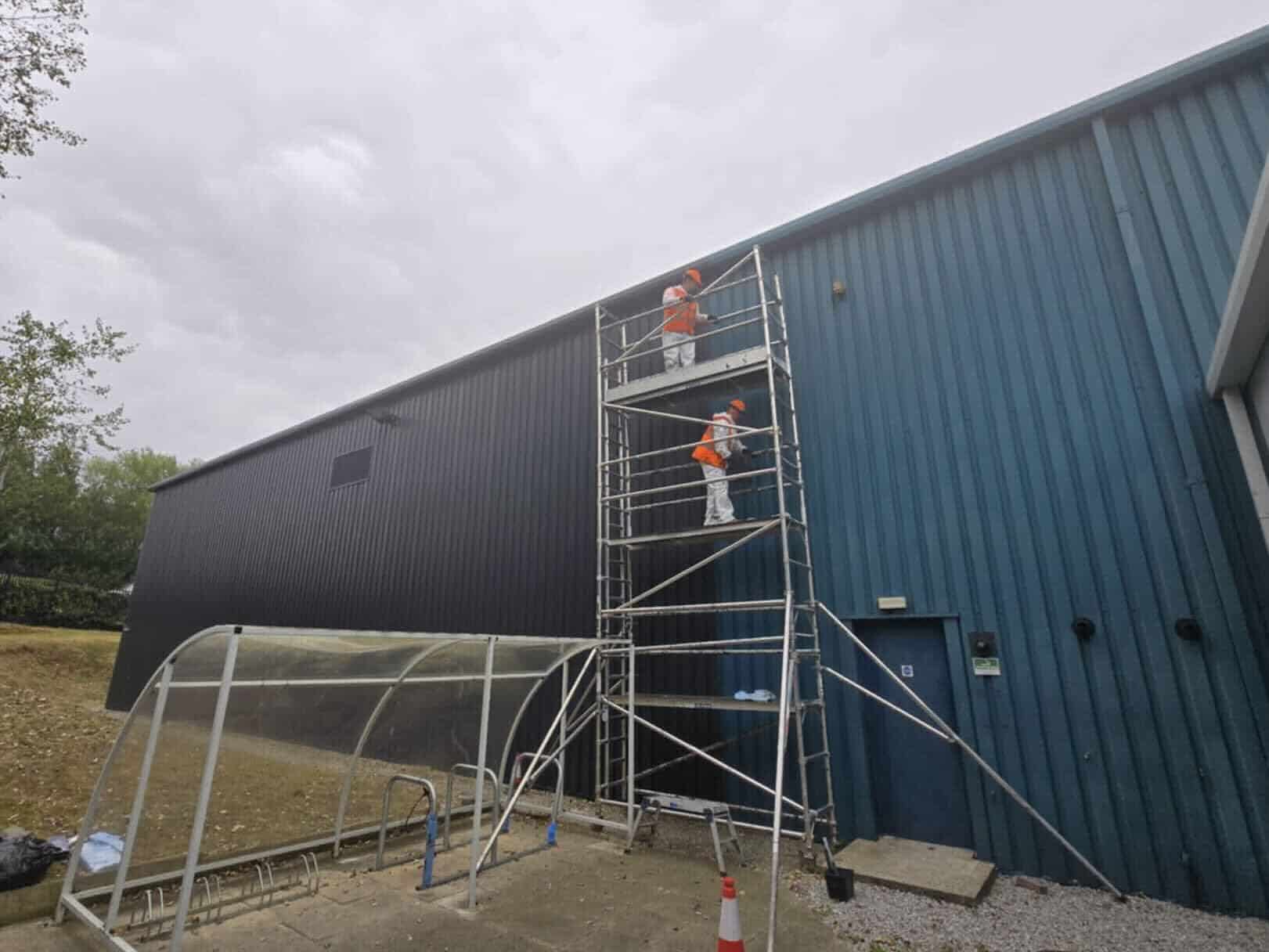
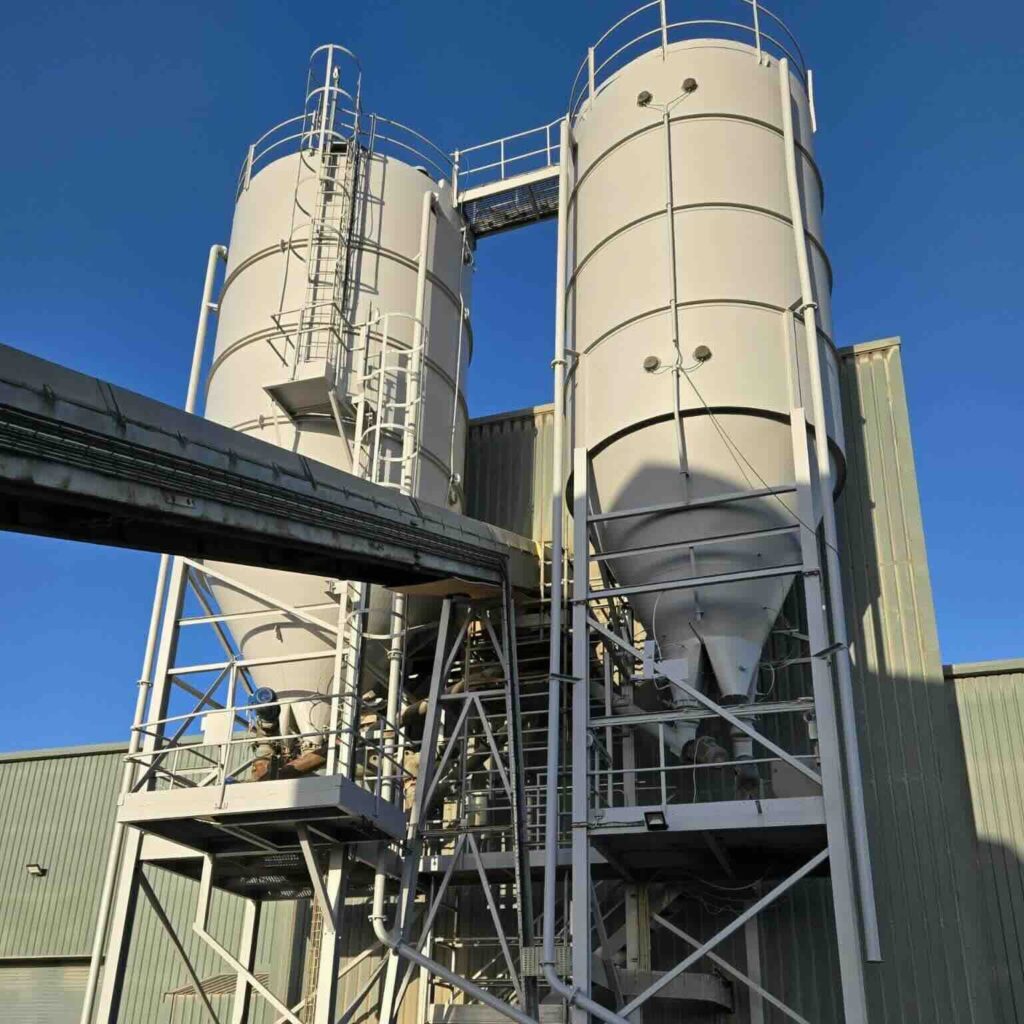
Industrial painting projects on sites are rarely one-size-fits-all, with a wide range of assets needing different kinds of painting protection. However, regardless of the site, there will almost always be a split between indoor and outdoor industrial painting requirements, from indoor steelwork to outdoor storage tanks.
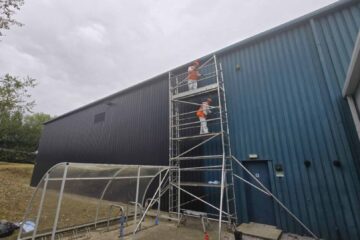
This post primarily focuses on outdoor industrial painting work, where the weather will inevitably play a significant role in the planning process. We explore the importance weather plays in industrial painting in another blog post; however, here we focus specifically on the benefits of booking industrial painting services in the spring and summer months, when UK weather gives you the best possible chance of the right conditions.
Weather reliability for industrial painting
People of the UK know all too well the unpredictability of our not-so glorious weather. Any outdoor industrial painting project must plan for all circumstances, as it is never certain what the weather will bring.
Adverse weather can cause significant issues during an outdoor painting job. Consecutive days of rain could stall a job for days or even weeks, with teams having to scramble to catch up on lost work. This may come with large unexpected labour and equipment hiring costs, not to mention inconvenience for both parties, if the contractor is expected to start another job and the client experiences timeline delays.
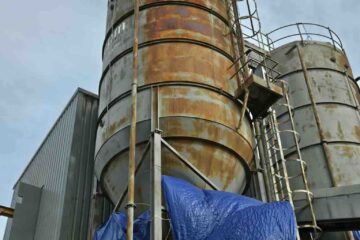
Ideally, assets should be covered with an all-encompassing tarp for weather protection and climate control, however for some large assets such as storage tanks, this may not be possible. In these cases, teams are dependant on clear skies to carry out the work.
This is why industrial painting projects are best booked during the spring and summer months, when the likelihood of stable and dry weather is much higher. Interruptions due to cold, wind or rain could set back the project by days or even weeks, so painting in the winter is a risk.
What is the best weather for industrial painting?
Industrial paints are chemically designed to work within specific environmental parameters, typically between 5-25℃. When painting outside, the most favourable conditions are usually:
- No risk of rain
- Overcast
- Mild, ambient temperatures
- Little to no wind
Temperature
Temperature plays a critical role in determining the success of industrial painting work. Cold conditions can cause industrial paints to thicken, making application more difficult and potentially leading to an uneven finish. More importantly, low temperatures can slow or impede the chemical reactions during the curing process, potentially weakening the strength of the coating.
Painting in the cold also increases the likelihood of working close to the dew point (see below), which can risk rust developing under the dried paint due to trapped moisture.
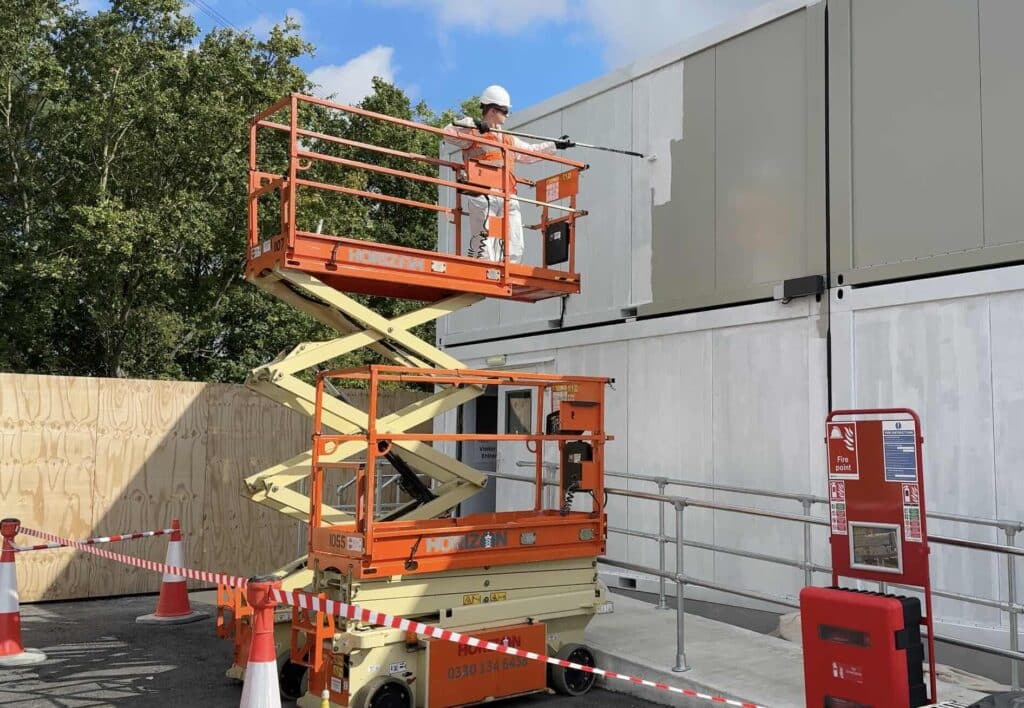
At the other end of the scale, excessively warm temperatures also present their own challenges. Metal substrates can heat up significantly under direct sunlight, and are capable of reaching temperatures of over 40℃ (measurable with an infrared surface temperature thermometer). High surface temperatures can cause most solvent based paints to evaporate too quickly, reducing the chance to achieve uniform and smooth coverage. It also reduces the window of keeping a wet edge for blending sections together. This can create a patchy and uneven finish, which can be disastrous for a large area like a storage tank or building cladding.
High temperatures can be controlled by enclosing the asset in a covering so you can control the temperature. However, in instances where this isn’t possible, it is preferable to begin work early in the morning to beat the midday summer heat, and follow shaded areas throughout the day.
Spring and summer months in the UK offer the highest chance of mild temperatures that exceed 3 degrees above the dew point (see below). However, careful planning is still required around hot weather to ensure that that surface temperatures remain at the optimal level for painting.
Humidity and dew point
The “dew point” of any given atmosphere is temperature at which water vapour condenses into liquid. It is dependant on both temperature and humidity, and so needs to be calculated regularly – often throughout the day.
If a surface temperature is too close to the dew point, condensation can form, even if the surface appears dry. This moisture can lead to flash rust, prevent the paint from adhering properly or cause blistering under dried paint.
These risks are significantly higher in the autumn and winter months, where humidity levels are often higher and temperatures are lower. If you arrive to site with dewy moisture on your work, time must be spent on drying the substrate before work can continue – and even then, previously applied coatings might have already been affected.
Planning industrial painting projects in the spring and summer months greatly increases the chance of maintaining the minimum threshold of 3 degrees past the dew point, reducing the risk of flash rusting and other issues.
Logistical considerations for industrial painting
Spring and summer months also offer advantages from a project delivery perspective.
Longer daylight hours allow for extended working windows on site, giving flexibility to work around hotter hours if needed. In contrast, painting in the winter may mean waiting around for the run to rise, and potential early finishes due to fading light.
Weather-related downtime is also less frequent in warmer and drier months, meaning projects are more likely to stay on schedule. This also reduces the risk of costly standby time, when operatives and equipment are on site but unable to work due to the weather.
That said, painting in warm temperatures may require an earlier shift pattern, for instance starting to paint at dawn, to get as much painting done before the sun heats the substrate too much. Fortunately, the longer daylight hours in spring and summer gives painting teams the flexibility to schedule around this.
Lead times make a significant difference
A key but often overlooked factor in planning industrial painting projects is lead time. The process of enquiry, quoting, internal approvals, procurement, contractor onboarding, and scheduling can take anywhere from a couple of weeks to several months. This is especially true for large companies with long inter-departmental approval processes.
For instance, enquiring in March with the intention of starting work in April may not be realistic if internal approvals and procurement processes take several months. By the time everything is in place, the project may be pushed into autumn where the optimal weather window has been lost.
It is therefore important to understand your organisation’s internal timelines and plan accordingly. Engaging with a contractor early allows for better scheduling and ensures availability during peak times. This process can be streamlined further with an organised industrial painting contractor that is fully accredited, Health & Safety trained and has a dedicated team that can supply any and all required documents within one working day.
Industrial painting in winter
While industrial painting can be done in winter, it presents numerous challenges which must be carefully managed.
Cold temperatures can slow or impede the curing process, potentially increasing the amount of time needed for coats of paint to dry. Higher humidity levels also risk trapping moisture under the paint, which can cause rust to spread and cause premature failure of the coating. High winds can also sweep dust and debris onto wet paint.
Shorter daylight hours and weather delays can also cause disruption for scheduling. If there is a set period of time allocated for a project, and half of the days are called off due to rain, this can be costly and inconvenient to schedule.
Conclusion – when to book your industrial painting project
Scheduling an outdoor industrial painting project in the spring and summer months gives the best chance of optimal weather conditions – preferably semi-overcast, mild to warm temperatures, and no chance of rain. While UK weather will inevitably remain unpredictable, painting in the spring and summer is far preferable to winter. This gives your painting project the best chances of success.
Industrial Cleaning and Painting that works for you.
Get in touch for a free site consultation and project plan.
0330 043 3174
info@kingfisher-ss.co.uk
Our team here at Kingfisher have been in the industrial cleaning business for over 40 years. In that time we’ve built a reputation of being able to solve industrial cleaning problems where other companies have fallen short.
That’s because we will always source the highest quality equipment, materials and training to complete the project, often developing bespoke solutions for the trickiest of tasks.
1 Comment
Монталин состав · May 12, 2026 at 7:20 am
I really appreciate the detailed research that went into this piece.
This site is a consistently helpful source of information. https://manuale.pp.ua/.