
KINGFISHER CLEAN BLOG
C1 – CX Corrosivity Categories: What They Are and What They Mean
C1 – CX corrosivity categories define the corrosion risk for different environments, as set out by the global ISO 12944 standard. Learn more about what they are and what they mean for your site below.
Contents: C1 – CX Corrosivity Categories
1. Why corrosion protection matters for industrial sites
2. What makes an environment corrosive?
3. Introducing ISO 12944 – the global corrosion protection standard
4. C1 – CX Corrosivity Categories (Infographic)
5. Putting it into practice – choosing the right paint system
6. Final thoughts

Why corrosion protection matters for industrial sites
Every steel structure on industrial sites is susceptible to corrosion, from factory girders to coastal storage tanks. It’s no secret that rust can look unsightly, but severe corrosion can also affect the structural integrity of the steel.
Unfortunately, corrosion is almost always bound to develop with any steel or iron alloy. Selecting the right paint system is the first and best line of defence for creating a barrier between steel and the surrounding environment.
However, different environments can significantly impact the rate at which corrosion develops. ISO 12944 is the international standard that classifies environments by their corrosivity, helping professionals choose the correct paint system for long term protection.
What makes an environment corrosive?
In simple terms, corrosion is the result of oxidation – when oxygen, moisture and pollutants react with metal surfaces. While oxidation is the electrochemical reaction, corrosion is the damaging outcome of this process, resulting in deterioration and metal loss over time.
Multiple factors can influence the rate and type of corrosion, such as:
Clearly, not all sites face the same conditions – a warehouse in Nottingham isn’t the same as a shipyard in Liverpool. Corrosion can therefore present different levels of risk depending on the type of industrial site and where it’s located.
Introducing ISO 12944 – the global corrosion protection standard
ISO 12944 defines corrosivity categories for atmospheric exposure, from C1 to CX. It also sets out categories for immersed or underground structures, from IM1 to IM4.
This global standard provides a framework for selecting the correct paint system to protect steel from the corrosivity of the environment. It therefore plays a vital role in ensuring that steel structures can endure their surroundings and thus extend their service life, maximising the length of time until the next repaint is required.
ISO 12944 also specifies a range of four time frames to categorise the durability of paint systems – defined as the length of time until extraordinary maintenance is required (i.e., a partial or full repaint).
- Low – up to 7 years
- Medium – 7-15 years
- High – 15 to 25 years
- Very high – more than 25 years
While the scientific method for determining corrosion rate is calculated by the rate of metal loss in microns per year, in practise, a corrosive category is estimated based on the environment’s description (see below).
C1-CX Corrosivity Categories
The categories within ISO 12944 span from C1 (low risk/levels of corrosion) to CX (extreme risk).
Here’s some quick examples:
- A C1 environment could be a clean office or a school where corrosion is minimal
- A C3 environment might be a food production area or factory with higher humidity
- A C5 or CX environment covers harsh coastal, industrial, or offshore locations exposed to salt spray and constant moisture

Putting it into practice – choosing the right paint system
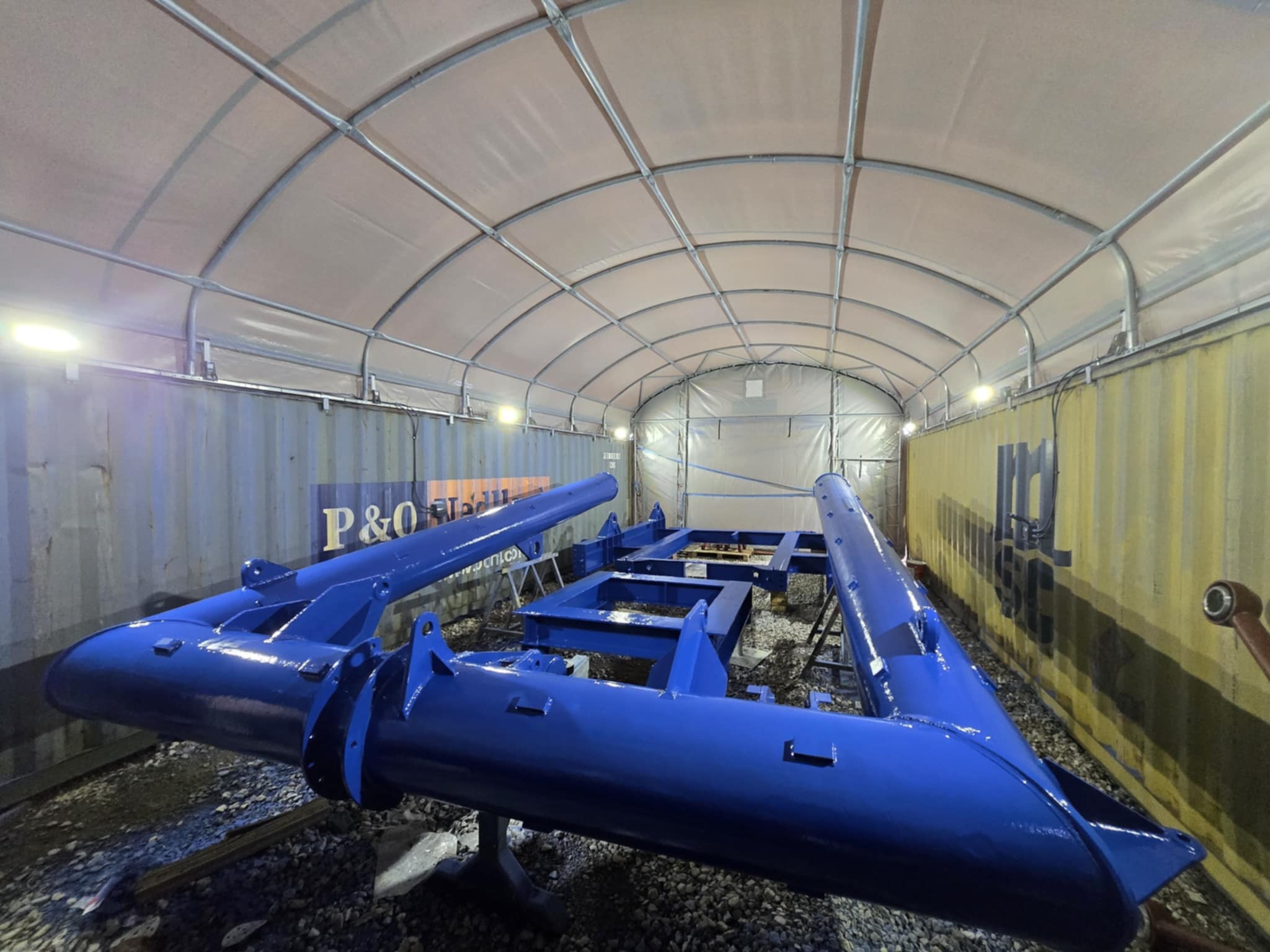
Corrosion, unfortunately, is inevitable – but the right paint system creates a protective barrier that can protect the surface for years to come.
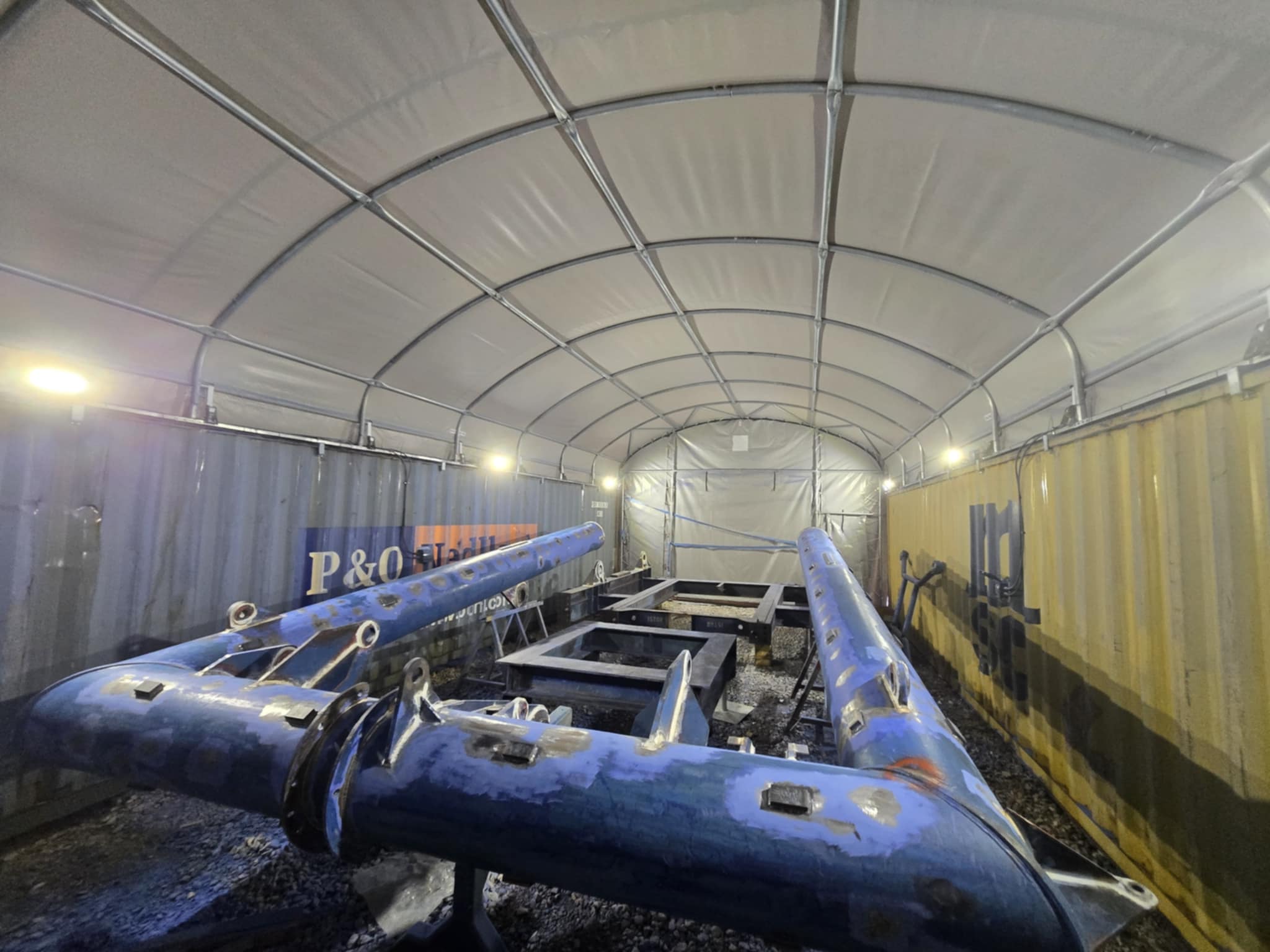
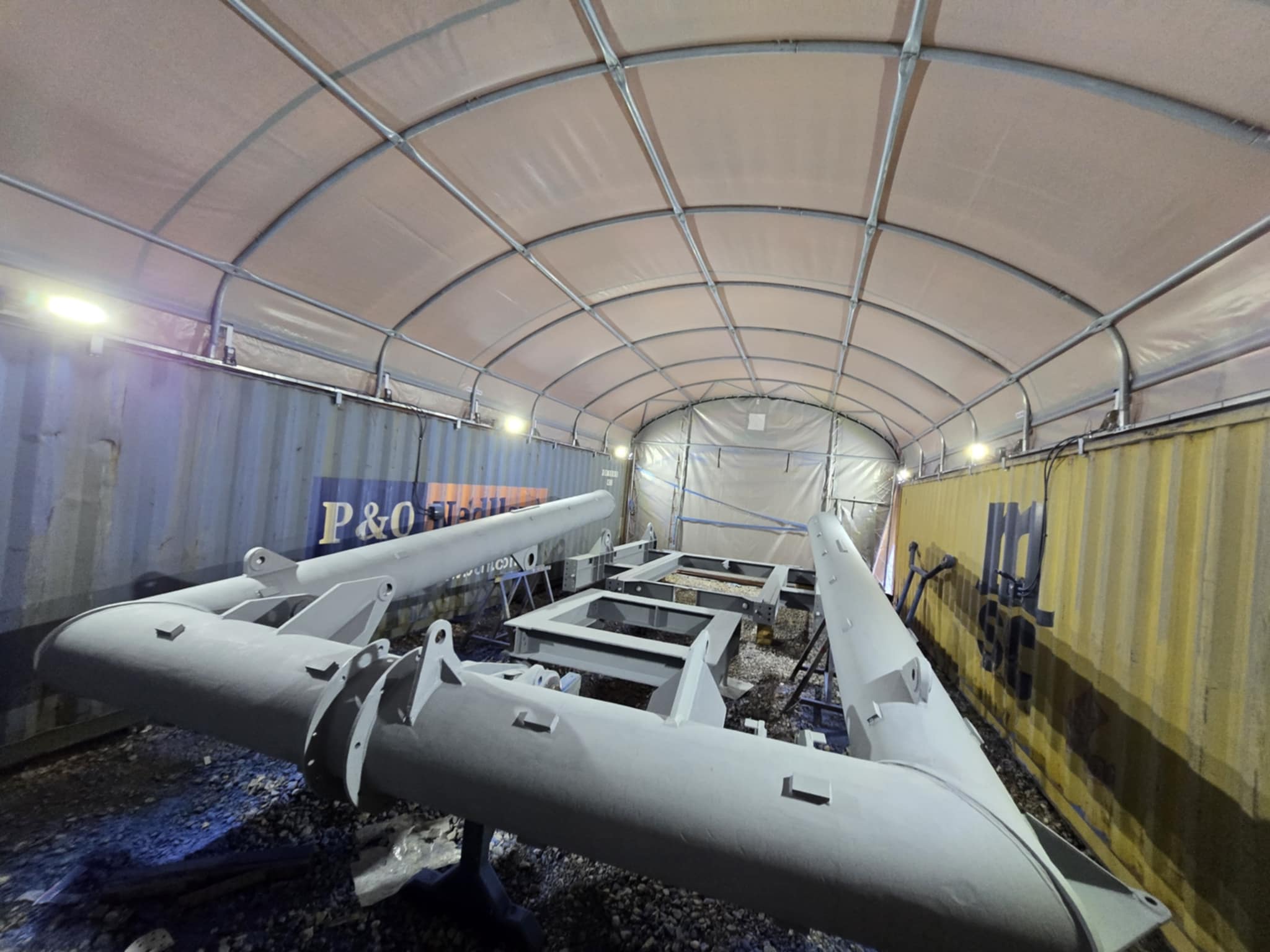
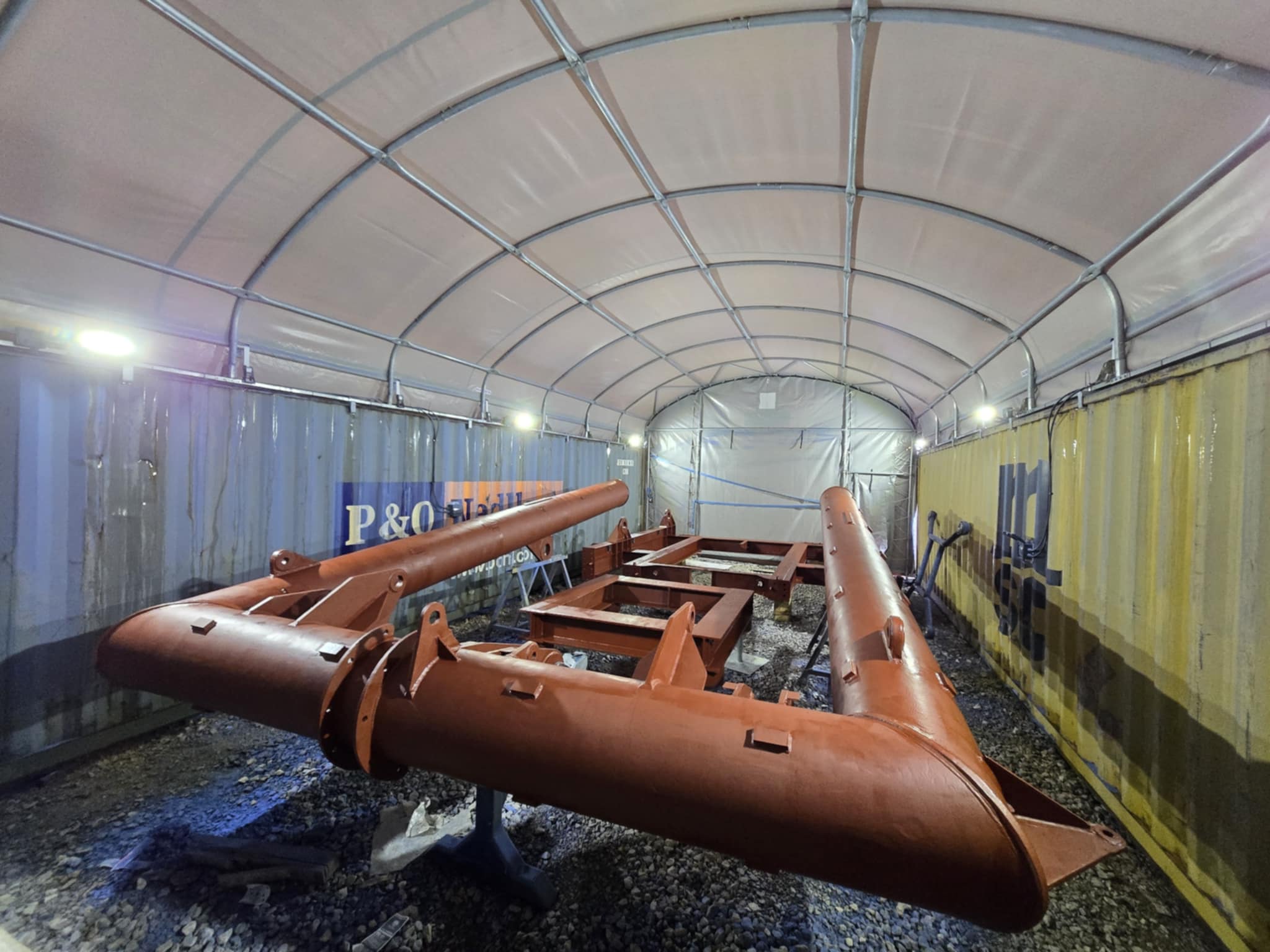
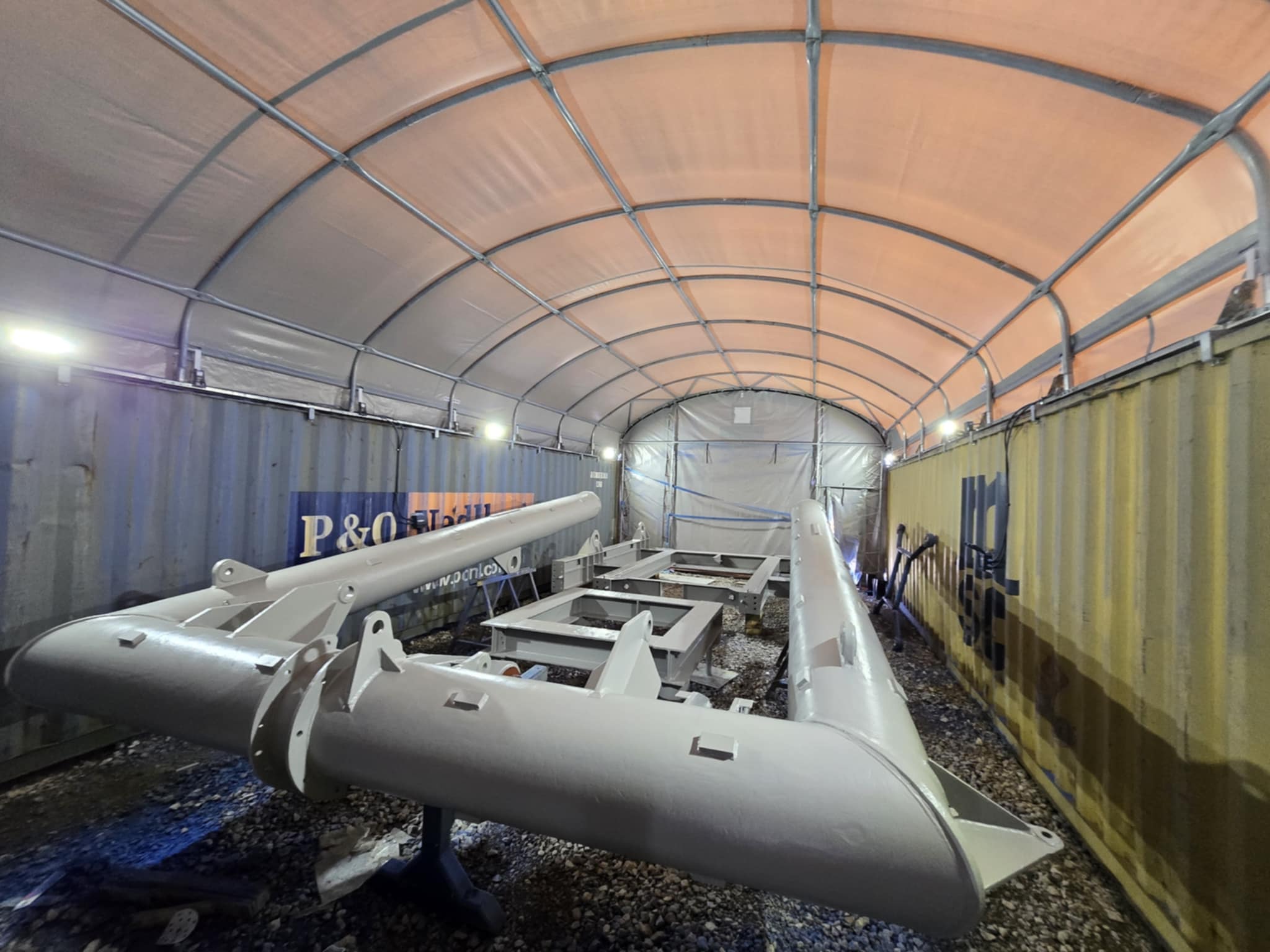
The higher the corrosion category, the more robust the surface preparation and coating system needs to be, with multiple layers needed to form an adequately protective barrier. The corrosiveness of the environment will influence:
- The type of paint used, for instance heavy duty two pack paints
- Total thickness of a paint system and number of coats
- The level of surface preparation required
- Minimum and maximum recoating intervals
Paint systems are often tested against higher corrosivity levels, because a coating that performs well in a C5 or CX environment will certainly be capable of protecting against less severe conditions.
Final thoughts
Understanding corrosivity categories doesn’t need to be complicated – think of them as a scale showing how harsh your environment is. The higher the category, the more protection your structure will need.
The ISO 12944 standard is an invaluable tool for understanding how likely your site is to be impacted by corrosion – and by extension, how much protection is needed.
Not sure where your site fits? Contact our team for a free site survey for your next industrial painting project. Our team select the right protective paint system to ensure your assets stay protected, durable and looking their best for years to come.
Industrial Cleaning and Painting that works for you.
Get in touch for a free site consultation and project plan.
0330 043 3174
info@kingfisher-ss.co.uk
Our team here at Kingfisher have been in the industrial cleaning business for over 40 years. In that time we’ve built a reputation of being able to solve industrial cleaning problems where other companies have fallen short.
That’s because we will always source the highest quality equipment, materials and training to complete the project, often developing bespoke solutions for the trickiest of tasks.
0 Comments