KINGFISHER CLEAN BLOG
Cleaning in Hazardous Areas: What is Confined Space Cleaning?
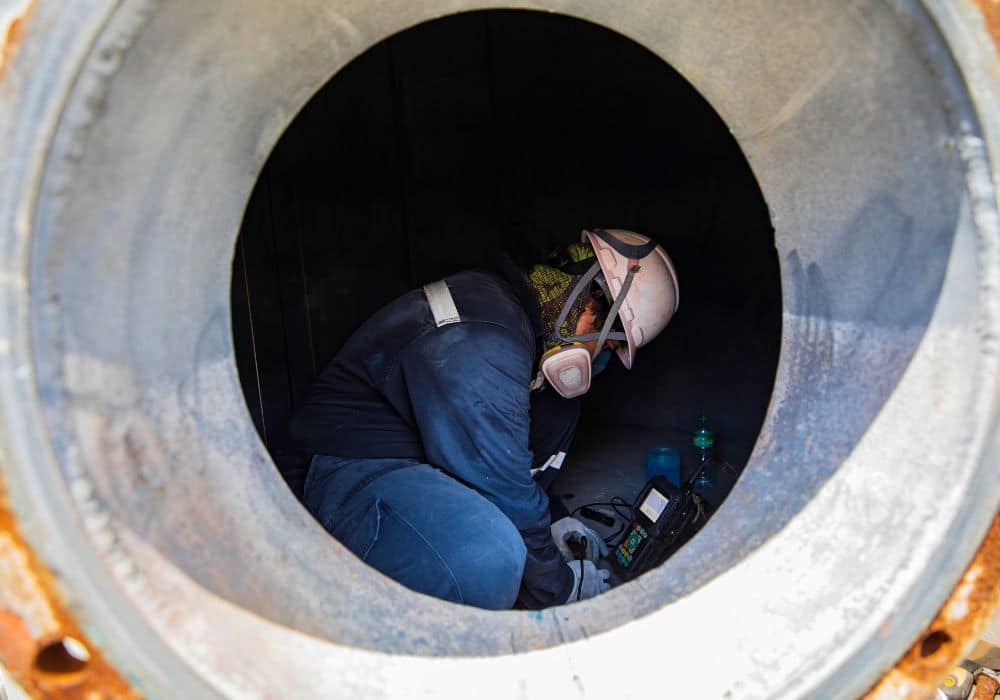
Confined space cleaning, by its very nature, is a hazardous task that requires careful planning and strict safety measures. Read on to learn what confined space cleaning entails, how to mitigate the risks, and why this specialist type of cleaning is best trusted to professional industrial cleaners.
Contents: what is confined space cleaning?
1. Confined space cleaning is a hazardous task
2. What is a confined space?
3. Examples of confined spaces
4. What is confined space cleaning?
5. What are the hazards of confined space cleaning?
6. How to mitigate the risks of confined space cleaning
7. Why you need trained professionals for confined space cleaning

Confined space cleaning is a hazardous task
Confined spaces are, by their very nature and design, hazardous environments. They are not intended for prolonged human occupancy, and, therefore, present significantly more risks than normal workplaces. Confined space cleaning is a service that should only be conducted by trained, experienced professionals who can do the job safely. Cutting corners or attempting a DIY approach can have dire consequences.
The HSE states a number of people are killed or injured from confined space work in the UK each year from a range of industrial sectors. Tragically, this includes not only operatives working inside the confined space but also rescue workers who may lack the necessary training or experience to carry out emergency procedures safely. This highlights the critical need for specialised expertise and rigorous safety protocols.
This blog will explore the meaning and examples of confined spaces, the hazards they present, how to implement control measures, and, finally, why confined space cleaning should only be conducted by trained professionals.
What is a confined space?
The Health & Safety Executive defines a confined space as “one which is both enclosed or largely enclosed and has a reasonably foreseeable specified risk to workers of: fire, explosion, loss of consciousness, asphyxiation, or drowning. It may be small and restrictive for the worker or it could be far larger such as a grain storage silo with hundreds of cubic metre capacity.” In essence, it’s any space with limited access or egress where the risks are amplified due to its design and potential hazards.
Confines spaces usually must also meet some or all of the following criteria:
- The space has small or limited openings for access and egress
- The space is not normally designed or intended for continuous human occupancy, i.e. a storage tank
- The space is large enough for an operative to conduct work
While it doesn’t need to meet all three, the presence of one or two of these factors, combined with further potential hazards, should raise a red flag.
Examples of confined spaces
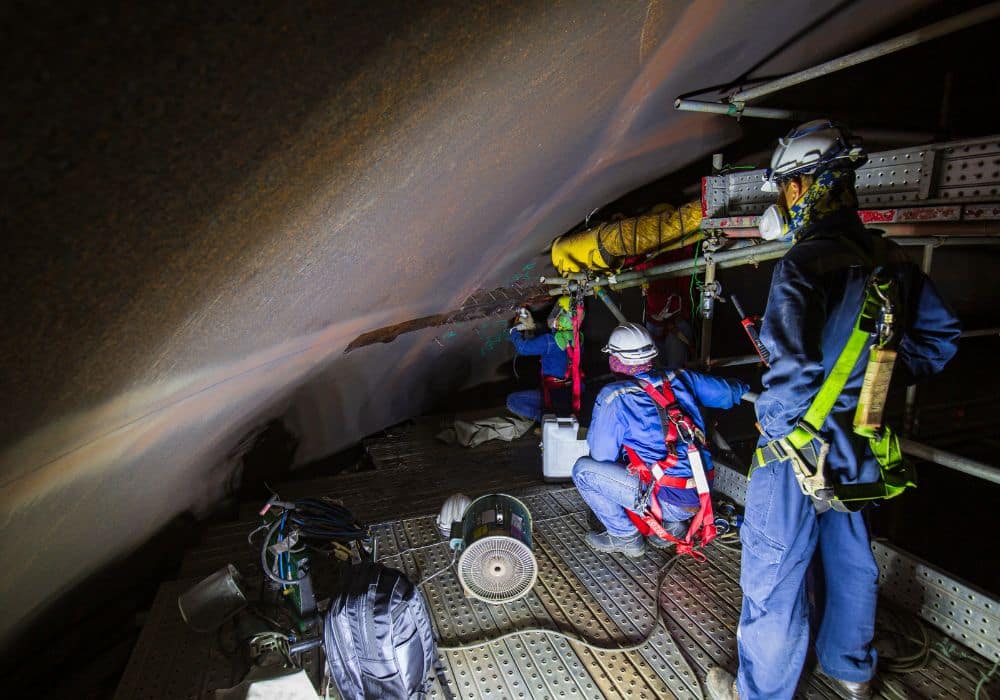
There are many different kinds of confined space, and often no two confined space cleaning jobs are the same. Here are some examples of confined spaces:
What is confined space cleaning?
Of course, the most straightforward answer to this question is any specialist or industrial cleaning that takes place in a confined space. However, it’s more than just cleaning; it’s a process that requires thorough planning and risk assessment, specialised equipment, and a fully trained team with a deep understanding of the hazards involved.
Got an industrial cleaning or painting problem? We can help.
What are the hazards of confined space cleaning?
While industrial sites in and of themselves can be dangerous environments, confined spaces can present even greater hazards. There is the danger of a lack of oxygen, build-ups of toxic fumes or gases, risk of fire or explosions, or a potential for loose material such as grain to engulf operatives. There are also specific dangers related to the job at hand, for instance electric shocks, noise, sharp edges, hot conditions or misuse of equipment. Each confined space presents a unique combination of hazards that must be carefully evaluated.
One of the most significant hazards with most types of confined space is the limited or small access points for entering and exiting the space. If it is difficult for team members to get in and out, then this could pose a significant danger if something were to go wrong. Limited egress can turn a minor incident into a life-threatening situation.
How to mitigate the risks of confined space cleaning
The law states that the first port of call to mitigate the risks of confined space cleaning is to check if the work can be done any other way. The Confined Spaces Regulations 1997 stipulates that its an employers responsibility to first explore all other non-entry alternatives – for instance, the use remote cameras or long handled brushes. However, where alternative methods aren’t possible, control measures must be put in place to mitigate risks as much as possible. This could include:
Electrical and/or mechanical isolation
If you’re entering a space with live electrical machinery or moving parts, these should be switched off and properly locked before any work begins.
Ventilation and lighting
Depending on the space, mechanical ventilations units might be needed for fresh air, or lighting units may need to be installed for visibility. However, the air shouldn’t be artificially enriched with oxygen, as this could increase the risk of a fire or explosion.
Atmospheric testing/air monitoring
A standby operative outside of the confined space should be on hand to monitor the air to confirm a lack of toxic/flammable vapours. Any monitors used should be regularly checked and correctly calibrated. Continuous monitoring is crucial to detect any changes in the atmosphere.
Breathing apparatus
Air-fed masks and specialist breathing apparatus can be worn if the air inside isn’t safe to breathe. The type of mask will depend on the specific hazards identified in the risk assessment.
Emergency rescue plans
A strict emergency rescue plan is needed in case of an incident. This could be because of a sudden crisis or injury of a worker. The plan should be detailed, practiced, and readily available to all team members.
PPE (Personal Protective Equipment)
As with any industrial cleaning project, appropriate PPE should be worn to protect operatives. This should include rescue harnesses that need to be clipped on at all times when working inside the confined space.
Safety banksman
A trained operative should be posted at the entrance of the confined space to monitor the work and welfare of the team, complete regular air testing, and raise the alarm if needed. This person serves as the critical link between the team inside the space and the outside world.
Why you need trained professionals for confined space cleaning
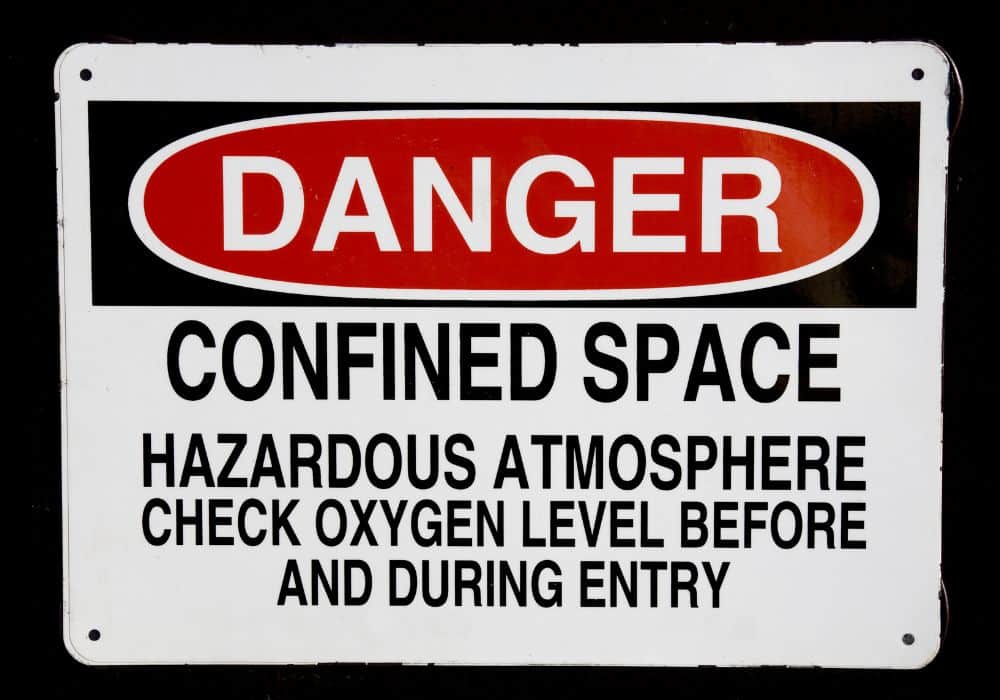
Confined space cleaning is one of the most challenging and hazardous tasks in industrial maintenance and requires strict safety procedures. Projects should only be completed by trained and experienced professionals who have the expertise necessary to do the job safely and effectively. Attempting to cut corners or use untrained personnel is a gamble with potentially devastating consequences.
It’s imperative that anyone planning or conducting confined space cleaning work adopts a safety first attitude. Health & Safety is crucial in hazardous environments such as these; therefore it’s always best to trust the professionals. If your site has a confined space that needs cleaning, you can contact Kingfisher Industrial Services today for a free site consultation.
Industrial Cleaning and Painting that works for you.
Get in touch for a free site consultation and project plan.
0330 043 3174
info@kingfisher-ss.co.uk
Our team here at Kingfisher have been in the industrial cleaning business for over 40 years. In that time we’ve built a reputation of being able to solve industrial cleaning problems where other companies have fallen short.
That’s because we will always source the highest quality equipment, materials and training to complete the project, often developing bespoke solutions for the trickiest of tasks.

0 Comments