KINGFISHER CLEAN BLOG
Why Industrial Cleaning is Important for Fire Safety in Manufacturing
In an industry where fire poses a significant hazard, industrial cleaning plays a vital role in fire safety in manufacturing facilities; read below how it mitigates the risk of fire.
Contents: why industrial cleaning is important for fire safety in manufacturing
Impact of fire on the manufacturing sector
Industrial cleaning as a preventative measure for fire safety in manufacturing
High-level cleaning is essential for manufacturers
Supporting a culture of safety

Impact of fire on the manufacturing sector
Fire safety, understandably, is a core concern for manufacturers. UK Fire and Rescue Service figures show that 1,656 fires were attended at industrial premises in 2024/25, including industrial manufacturing plants, processing facilities, laboratories, mines, public utilities, warehouses, and vehicle repair workshops. Of the 7033 workplace fires in England in 2023/24, 24% took place on industrial premises.
Beyond the risk to life and employee health and wellbeing, fires carry major financial consequences. The Fire Industry Association reports estimated annual costs to the manufacturing sector exceeding £800 million, with costs spread across building damage, business interruption, contents damage, stock damage and machinery damage. The subsequent ripple effect on supply chains presents significant additional costs and disruptions, the true extent to which could be difficult to quantify.
Industrial cleaning as a preventative measure for fire safety in manufacturing
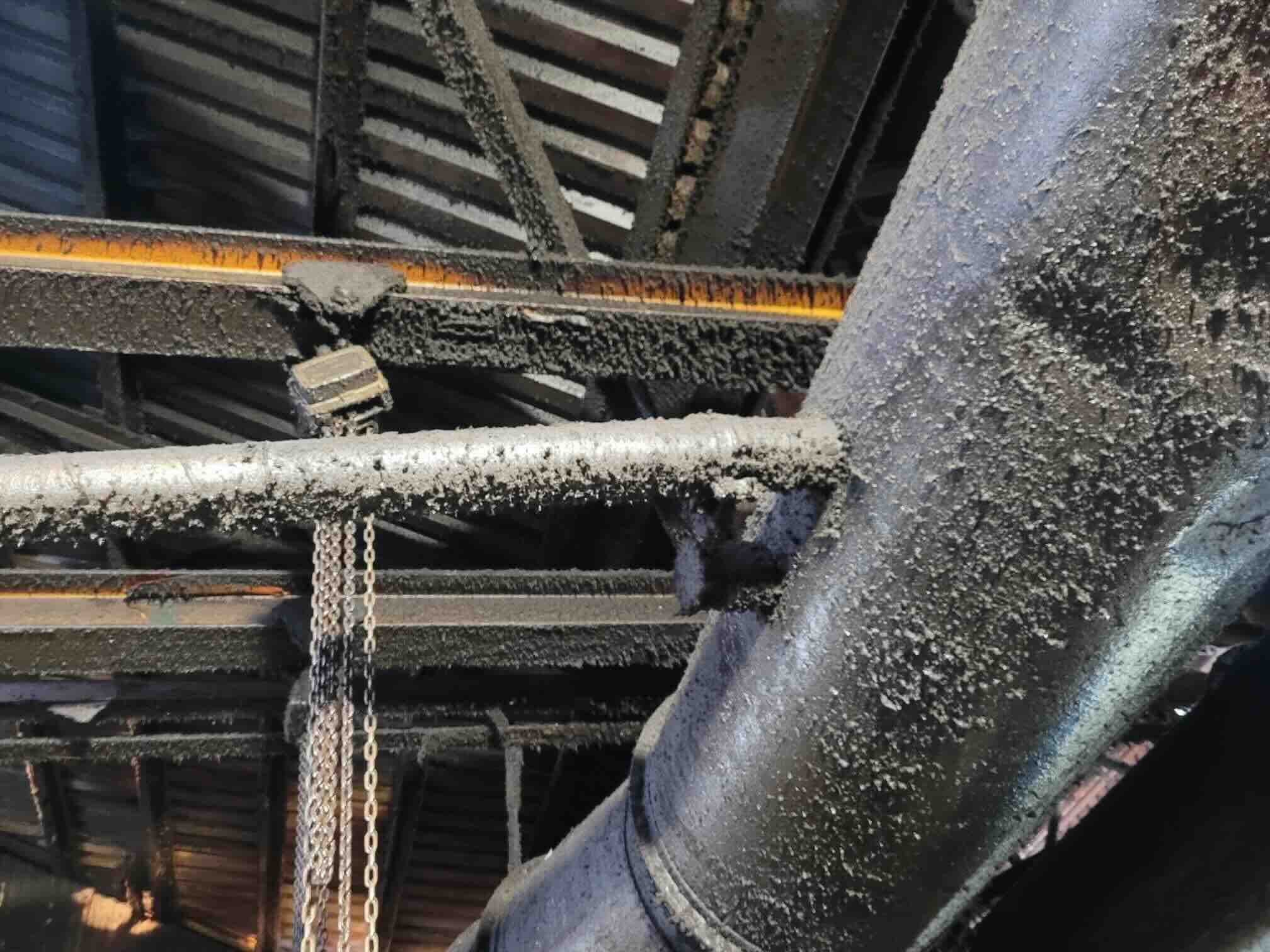
Manufacturing sites can face higher fire risks due to build-ups of dust, grease, oil and combustible materials near heat-producing machinery or electrical systems. Dust from materials like wood, grain, textiles or carbon can settle in awkward areas such as roof beams, cable trays, ducting, pipework, steelwork and other high-level infrastructure. These areas can be easily overlooked during regular cleaning due to the difficulty in access. If ignored, these deposits can act as fuel for fires or, in certain conditions, cause dust explosions.
Industrial cleaning proactively addresses these hazards by removing combustible materials at the source. Specialist industrial fire prevention cleaning uses high powered industrial vacuums and specialist cleaning methods to safely remove dust, oil and grease from machinery and infrastructure.
High-level cleaning is essential for fire safety in manufacturing
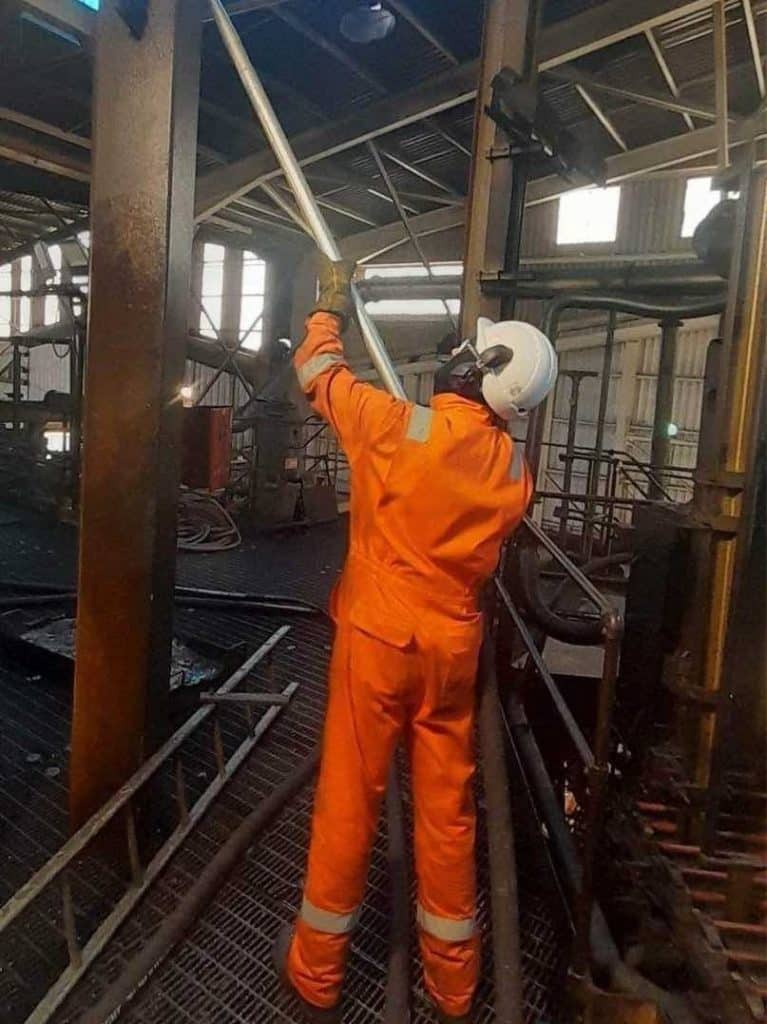
High level cleaning is particularly important in manufacturing spaces where large areas and high ceilings are common. Overhead structures are often inaccessible during routine cleaning, yet they are common sites for hazardous buildup. Using MEWPs, extendable tools and specialist access equipment, cleaning teams can remove contaminants from these elevated areas. This work needs to be systematic, thorough and logistically managed, as high-level infrastructure can be both awkward to access and sensitive in nature. It also should be carried out at least annually to keep fire risks under control.
Got an industrial cleaning or painting problem? We can help.
Supporting a culture of fire safety in manufacturing
While fire risks can never be fully eliminated, regular industrial cleaning supports good housekeeping and preventative maintenance, helping manufacturing sites meet compliance requirements and reduce ignition hazards. Where fire safety is concerned, prevention is always better than reaction – making industrial cleaning a key investment in workplace safety.
Industrial Cleaning and Painting that works for you.
Get in touch for a free site consultation and project plan.
0330 043 3174
info@kingfisher-ss.co.uk
Our team here at Kingfisher have been in the industrial cleaning business for over 40 years. In that time we’ve built a reputation of being able to solve industrial cleaning problems where other companies have fallen short.
That’s because we will always source the highest quality equipment, materials and training to complete the project, often developing bespoke solutions for the trickiest of tasks.
0 Comments