
KINGFISHER CLEAN BLOG
How to Stop Corrosion on Industrial Tanks
Corrosion on industrial tanks is a frustrating but unfortunately common problem for industrial sites. Read on to explore why tanks corrode, the damage it does, and how to prevent it. Or, more importantly, how to treat rust if it’s already formed and how to protect your tanks with protective coatings.
Contents for How to Stop Corrosion on Industrial Tanks
1. The challenges of corrosion on storage tanks
2. Why do storage tanks corrode?
3. The damage industrial tank corrosion can do
4. Regular inspections: catch corrosion early
5. Protective coatings: your first line of defence
6. Surface prep is critical
7. Long term protection, lower overall costs
8. Conclusion: protect your tanks with two pack painting

The challenges of corrosion on industrial tanks
Corrosion in industrial storage tanks is a common – and frustrating – problem that can plague even well maintained facilities. You might spot a small patch of rust on a tank wall, or notice some sediment buildup, and shrug it off. However, given time, small areas of corrosion can spread and cause serious headaches.
In this post, we’ll break down why tanks corrode, the damage it can do, and – most importantly – practical steps to prevent corrosion, or treat it if rust has already developed. Our goal is to help industrial managers protect their tanks (and their budgets) from the costly repairs and production downtime associated with severe corrosion.

Why do storage tanks corrode?
Oxygen
Water
Time
Pollutants/Salt
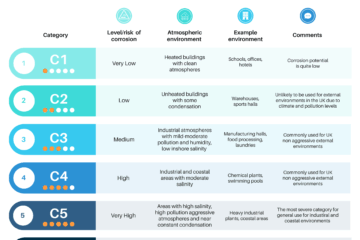
Corrosion loves moisture and air. Steel will only start to rust if both water and oxygen are present. This is why tanks exposed to rain, humidity, or liquid contents are vulnerable to rust development. Unfortunately, most industrial sites have no shortage of these.
Pollutants can also accelerate rust growth. If your facility produces or is exposed to industrial emissions or chloride salts (e.g. from sea spray), then rust deterioration can increase greatly.
Got an industrial cleaning or painting problem? We can help.
The damage corrosion on industrial tanks can do
Corrosion is more than an eyesore; it can develop into a health and safety hazard that can threaten the structural integrity of your tank. Over time, rust literally eats away at the metal, raising the risk of failures, product leakage or contamination. In extreme cases, a badly corroded tank could even burst or collapse under pressure.
The fallout from a corroded tank can be expensive and dangerous. Leaks or ruptures may result in lost product, unplanned downtime for repairs or expensive clean up for spills. If the stored contents escape, you could be dealing with environmental contamination (e.g. fuel leaking into soil or water) or serious safety hazards for workers.
The bottom line is that ignoring corrosion invites higher maintenance bills, liability risks, and operational headaches. If you spot any corrosion on your industrial tank, it’s important that you take remedial action sooner rather than later.
Regular inspections: catch corrosion on industrial tanks early
One of the most obvious yet smartest first steps is to inspect your tanks regularly. Corrosion often starts in hidden or hard-to-see areas, such as around fittings or in between steel plates, so you may not notice it until it’s advanced. Routine inspections help you spot signs of rust early before they turn into more serious issues. Keep an eye out for paint blisters, discolouration, small rust spots, or damp patches. These may be red flags that the protective coating might be failing and corrosion is starting underneath.
Protective coatings are your first line of defence
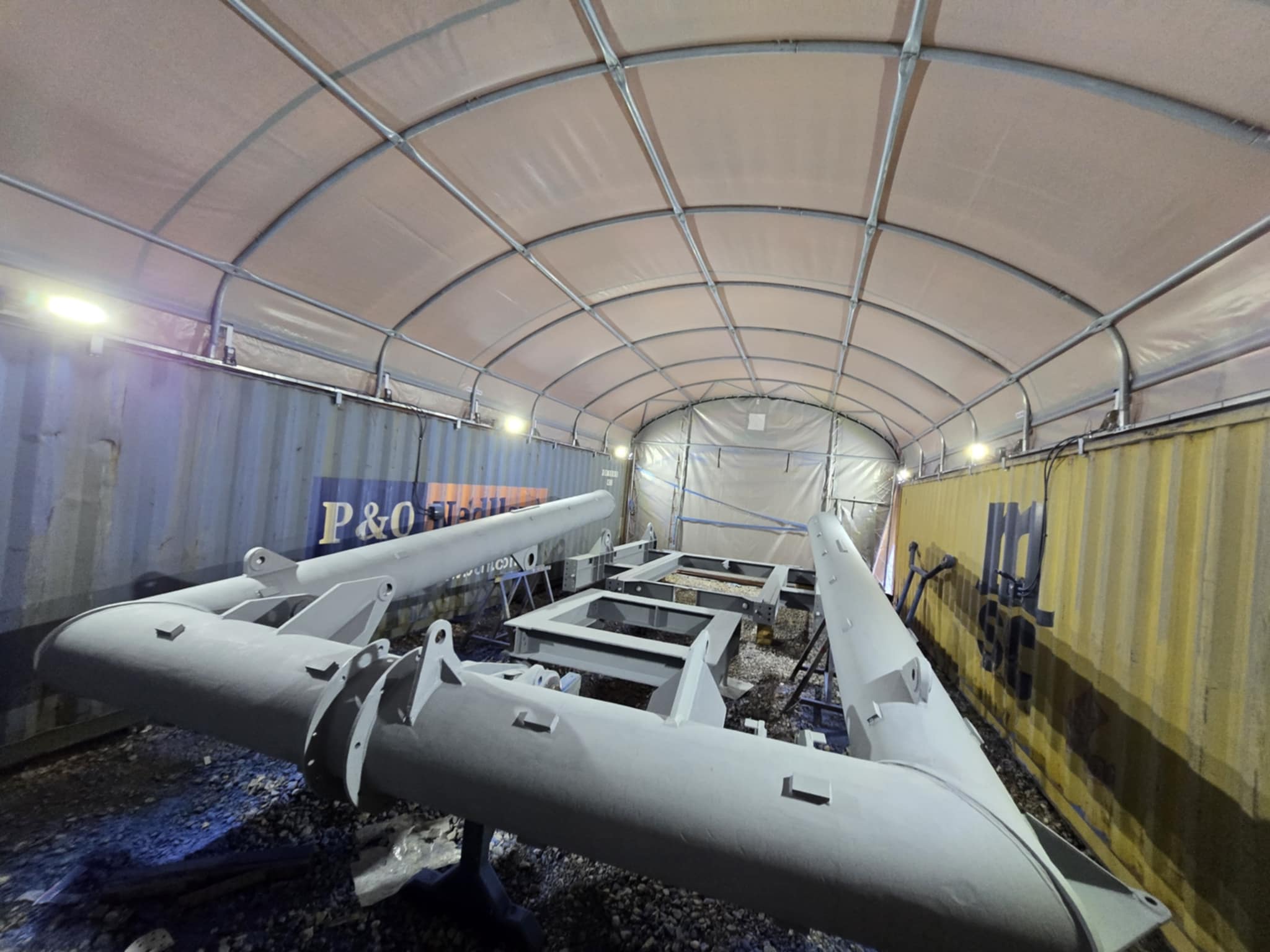
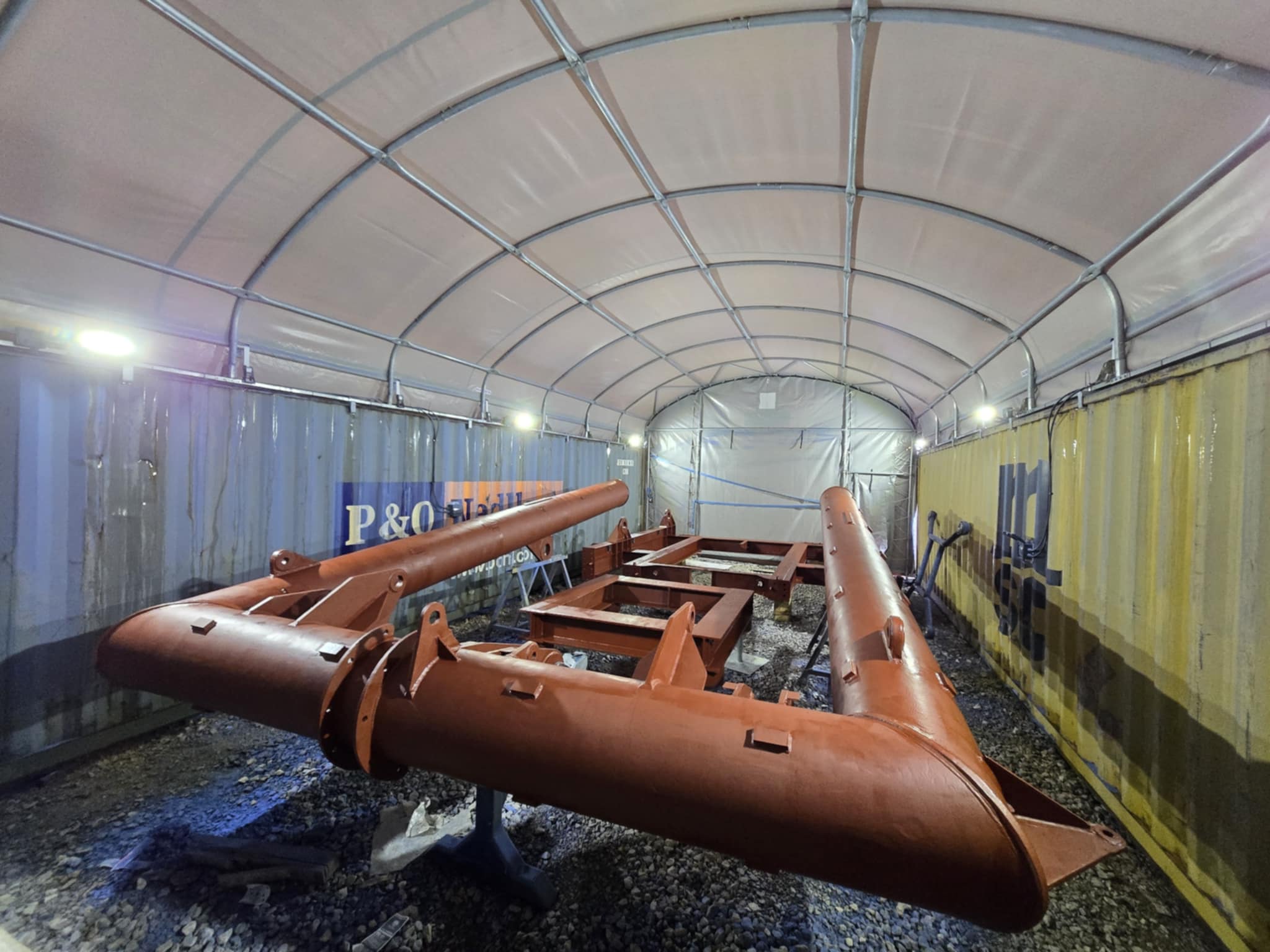
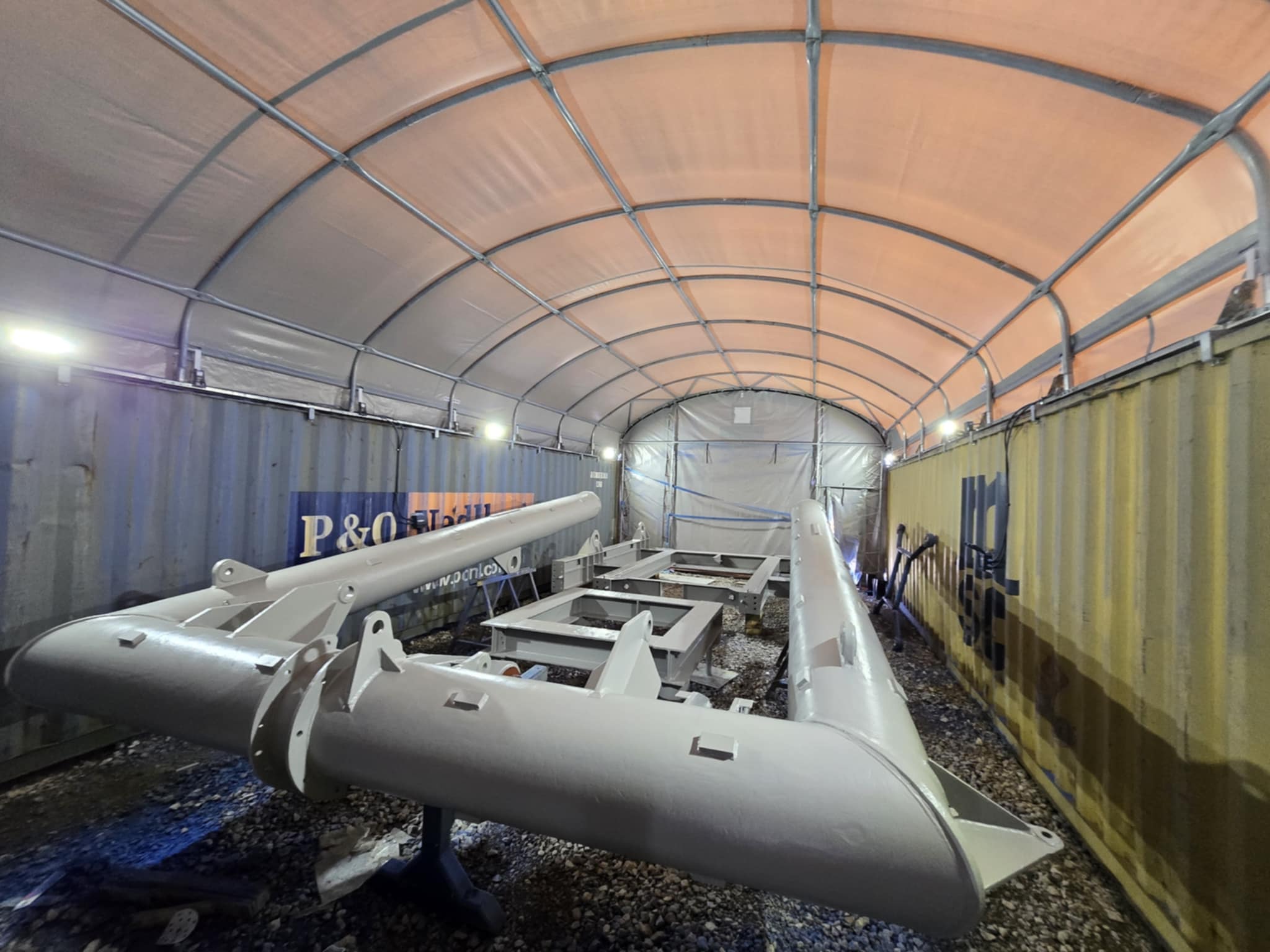
The most powerful protection against corrosion is a protective coating or lining. They act as a barrier, sealing the steel away from corrosive elements likes water, oxygen, and chemicals. For external surfaces, industrial paint systems are applied to prevent rain and air from reaching the metal. Internally, especially for tanks holding chemicals or water, special tank linings are used to shield the metal from the contents. When properly applied, these coatings eliminate direct metal exposure, which prevents rust from forming or spreading.
Not all coatings are equal – choosing the right one matters. For heavy duty corrosion protection, two pack epoxy and polyurethane coatings are a popular choice. These are paints that come in two components (a resin base and a hardener), which you mix before application. Two-pack paints are known for their strong adhesion and impermeability; they create a hard cross-linked coating that resists water, chemicals, and abrasion.
There are many different types of coating, each with their own strengths, so it’s wise to consult with a coatings expert about what is best for your tank (considering what you’re storing and the environment around the tank).
Many industrial tank coatings are also formulated with inhibitors or sacrificial pigments, like zinc, to further prevent rust, but the primary mechanism is simple isolation.
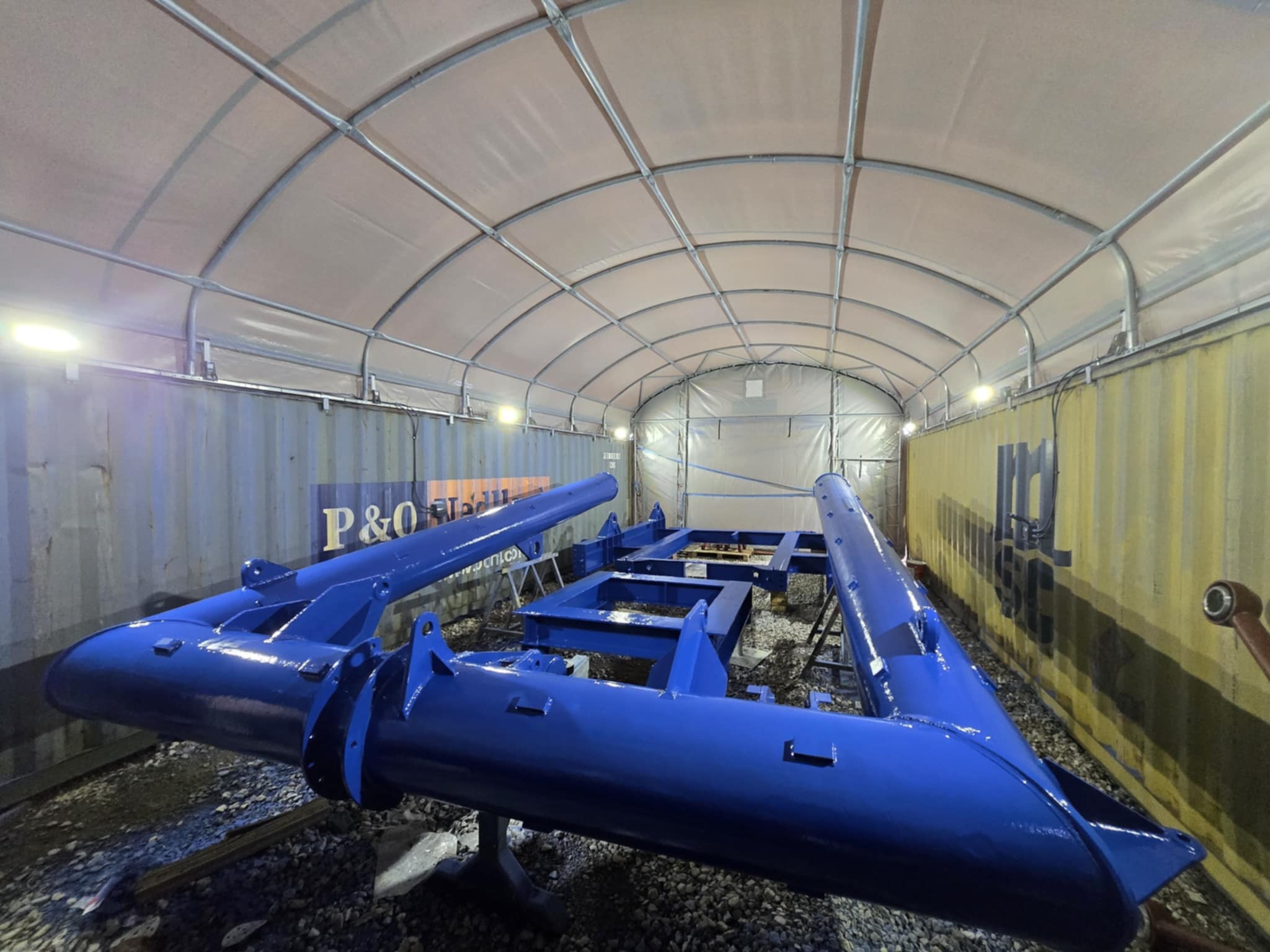
Surface preparation is critical
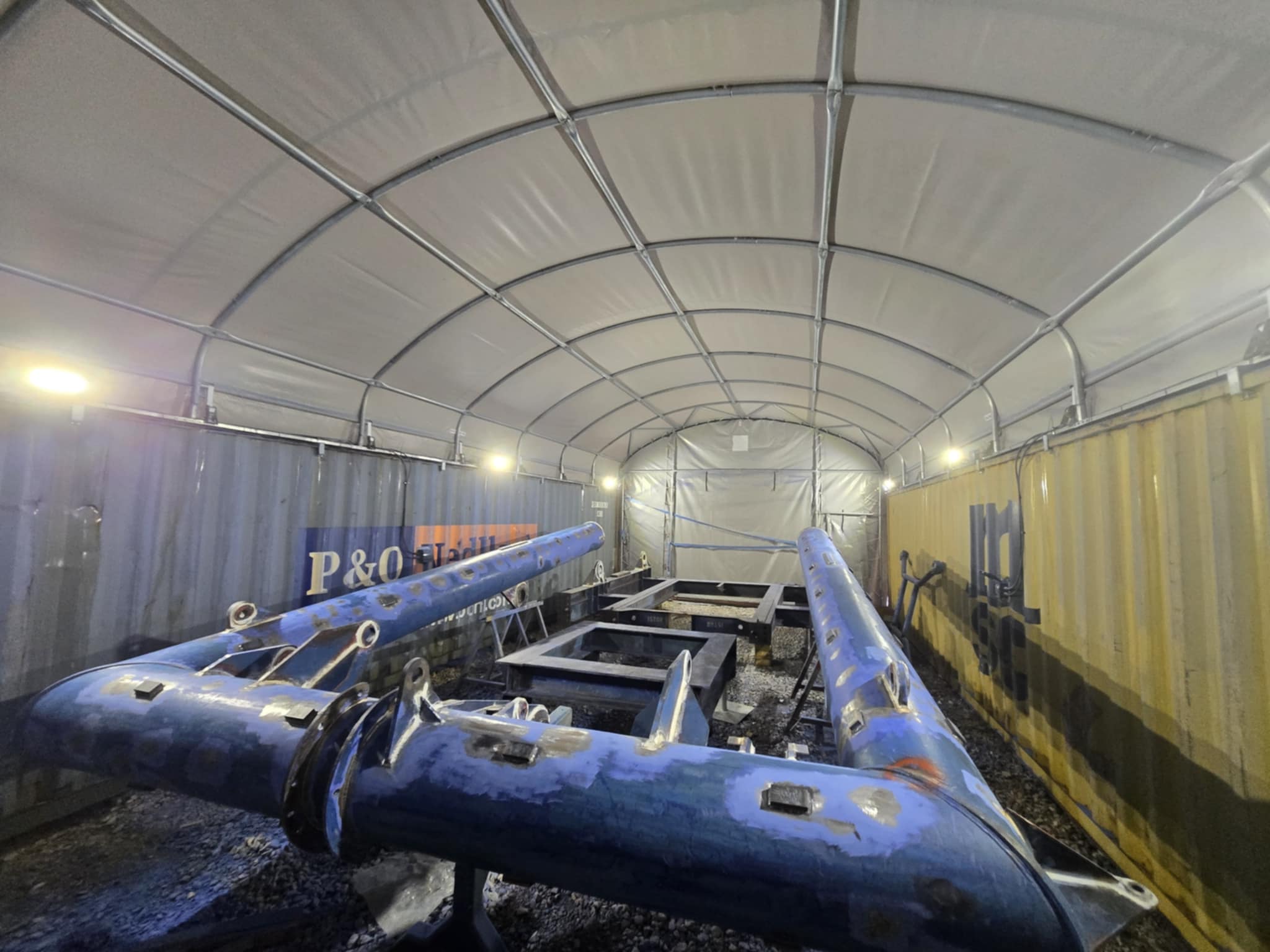
Applying an industrial strength protective coating won’t help if it doesn’t stick well to the metal. That’s why surface preparation is arguably the most important step before coating a tank. Paint adheres and protects best on a clean, roughened surface. Any contaminant like rust, scale, oil or old peeling paint will prevent the new coating from bonding and can lead to premature failure. In fact, inadequate surface prep is one of the major causes of coating failure in corrosion protection projects. To avoid this, industries follow established standards such as ISO 8501 for surface cleanliness and profile before painting.
While abrasive blasting has been a traditional method for industrial painting prep in the past, we believe that this method has several drawbacks and safety concerns that no longer make it a go-to solution.
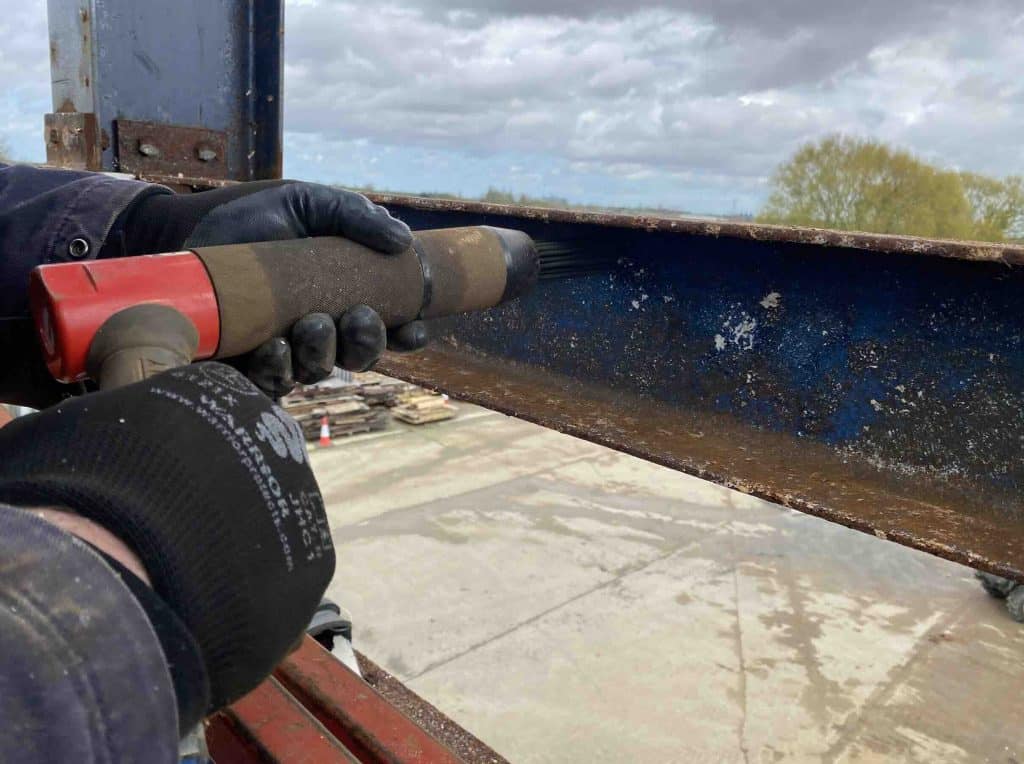
We use needle guns (also known as needle scalers) for our projects as they effectively remove paint and loose rust from metal surfaces prior to painting. While they may not take the surface back to bear metal, if you use the correct primers, rust-inhibiting paints and rust encapsulation treatment chemicals, then you don’t need to. This creates a barrier between the metal and the environment to seal any rust under the coating.
Needle guns are both portable and effective for spot treating rust patches or large areas of old paint. They are safer to use at height as the only “abrasive” involved is compressed air, meaning less waste is produced. This also reduces operational costs.
Long term protection, lower overall costs
Not all storage tanks live in friendly conditions. Thankfully, two pack epoxy and polyurethane systems are designed for heavy duty protection and are often used in marine and corrosive industrial settings where salt, chemicals or high-humidity would overwhelm ordinary paint in a short time.
The key takeaway for long term protection is using high quality coating systems and doing the job right the first time. Yes, two pack coatings and professional surface prep have a higher upfront cost than a quick DIY paint job – but the payoff is measured in years of added tank life and reduced leak risk. It’s truly a “pay now or pay a lot more later” scenario.
Conclusion; protect your tanks with two pack painting
If tank corrosion is a persistent headache at your site, it might be time for a professional solution. Industrial painting specialists can assess your tanks and recommend the best protective lining or paint system for your needs. Don’t wait for the next leak or expensive repair. Take action now to safeguard your storage tanks. Consider investing in a two-pack epoxy coating refurbishment – it’s a proven way to stop corrosion in its tracks and save money in the long haul.
Industrial Cleaning and Painting that works for you.
Get in touch for a free site consultation and project plan.
0330 043 3174
info@kingfisher-ss.co.uk
Our team here at Kingfisher have been in the industrial cleaning business for over 40 years. In that time we’ve built a reputation of being able to solve industrial cleaning problems where other companies have fallen short.
That’s because we will always source the highest quality equipment, materials and training to complete the project, often developing bespoke solutions for the trickiest of tasks.
0 Comments